Esim Vs Normal Sim eUICC: Future of SIM Technology
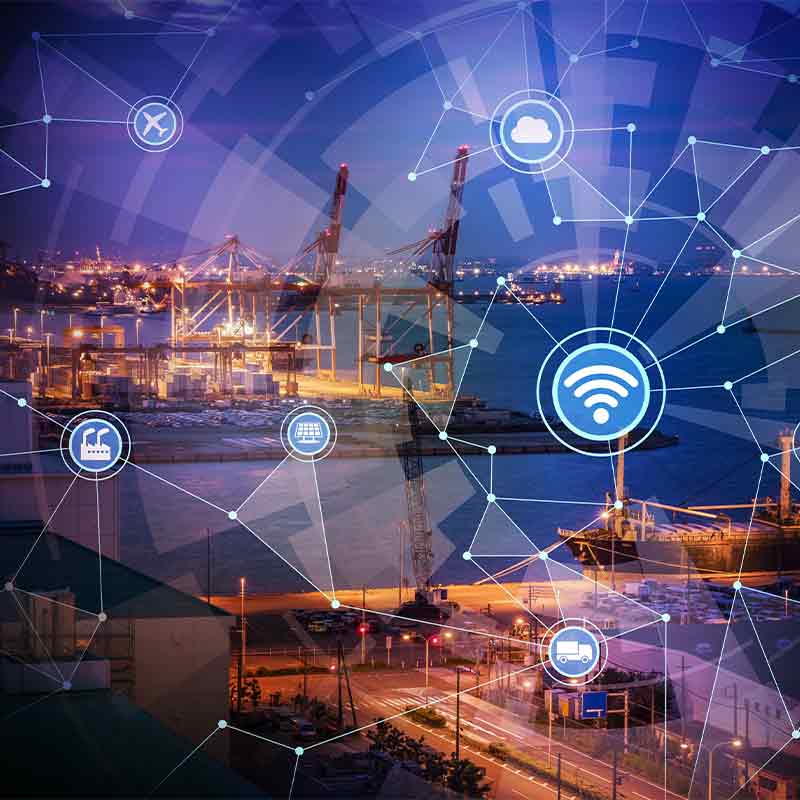
The creation of technology has ushered in a brand new era, especially within the field of energy administration. IoT connectivity for energy management methods has gained vital attention as companies and households search smarter methods to handle their energy consumption and technology. This connectivity empowers units to communicate with each other, providing valuable information that enhances effectivity and reduces prices.
IoT gadgets, geared up with sensors and software program, gather real-time knowledge on energy usage patterns. This information is crucial for understanding how energy is consumed throughout numerous domains. From business buildings to smart homes, the power to monitor energy consumption permits for targeted methods that may result in significant savings. As energy prices continue to rise, optimizing usage by way of IoT turns into a necessity somewhat than a luxurious.
Euicc Vs Uicc eUICC Benefits and Applications Explained
Energy management systems enhance operational efficiency by leveraging IoT expertise to automate processes. The integration of smart meters and IoT connectivity permits real-time monitoring and reporting, which offers insights into energy consumption, demand forecasts, and peak usage times. This leads to informed decision-making, permitting companies and individuals to attenuate wastage and allocate assets more effectively.
Predictive analytics plays a pivotal role within the effectiveness of energy administration (Dual Sim Vs Esim). By analyzing historical energy use information, these techniques can predict future consumption patterns. This foresight allows corporations to implement demand-side administration methods that align supply with demand, in the end reducing operational costs. The flexibility offered by IoT connectivity allows for immediate changes based mostly on real-time information, ensuring optimum energy utilization.
Moreover, IoT connectivity enhances the integration of renewable energy sources into present grids. Smart energy management systems can dynamically modify to fluctuations in energy era from solar panels or wind generators. By facilitating communication between the grid, energy providers, and customers, IoT connectivity ensures that renewable sources are efficiently utilized. This not only meets the growing demand for sustainable energy solutions but also reduces the reliance on fossil fuels.
Difference Between Esim And Euicc FAQs About eSIM and RSP
Scalability is one other crucial advantage of IoT-enabled energy administration methods. Businesses can begin small by implementing a number of related gadgets and steadily broaden their community as their wants grow. This adaptability allows organizations of varied sizes to profit from improved energy management practices with out making significant upfront investments. As IoT know-how evolves, its ease of deployment makes these methods accessible even to smaller enterprises.
Data security is a priority that cannot be missed with increased connectivity. Energy management techniques must implement strong cybersecurity measures to guard sensitive knowledge and stop unauthorized access (Euicc Vs Uicc). Encryption, common updates, and continuous monitoring are important to safeguard information and preserve client belief. As reliance on IoT connectivity grows, addressing vulnerabilities will be very important for attaining long-term success.
User engagement and training are important components of efficient energy administration. By offering insights into energy consumption, IoT-connected systems encourage customers to make conscious selections. Interactive dashboards and cell applications permit consumers to track their energy use and obtain notifications, fostering a greater sense of responsibility towards energy conservation. This engagement ultimately leads to a extra sustainable method to energy consumption.
In addition, regulatory frameworks are evolving to support IoT connectivity for energy management. Governments are more and more recognizing the necessity for smart infrastructure and energy-efficient techniques. Incentives and subsidies for businesses adopting these technologies promote funding in IoT-enabled energy management solutions. As coverage progresses, it encourages innovative practices that enhance the general energy landscape.
Difference Between Esim And Euicc Working with eUICC Devices Overview
The integration of synthetic intelligence with IoT connectivity enhances the capabilities of energy management techniques. AI-driven analytics can identify inefficiencies and counsel amendments to consumption patterns. This not solely reduces costs but in addition aligns with sustainability goals. As these technologies converge, organizations can achieve larger effectivity charges and make strides in environmental stewardship.
The potential impression of IoT connectivity extends to the grid infrastructure itself. With advanced monitoring methods, utilities can detect faults and outages extra shortly, decreasing downtime. Automated responses enabled by IoT connectivity streamline operations and improve grid stability. This functionality becomes more and more important as cities grow and energy demands rise.
Looking forward, because the world continues to embrace digital transformation, the importance of IoT connectivity for energy management techniques is plain. The want for environment friendly, sustainable energy practices is paramount as climate change and resource depletion loom large. With continuous advancements in know-how, the longer term promises even more revolutionary solutions that will revolutionize the way energy is consumed and managed.
Envisioning a future that maximizes energy efficiency, drives down prices, and fosters environmental sustainability is changing into a reality due to IoT connectivity. Through collaboration among governments, companies, and consumers, a collective effort in path of more clever energy management options is crucial. The integration of those systems marks a big step in the course of a extra sustainable and resilient energy future.
Euicc Vs Esim eSIM Meaning for IoT Applications
As the panorama of energy management evolves, embracing IoT connectivity is no longer an possibility however a necessity. With the potential for greater effectivity, price savings, and sustainability, the benefits far outweigh the challenges. The journey towards smarter energy management is underway, and the future is shiny for these who undertake these revolutionary systems my link and practices.
- Facilitates real-time monitoring of energy consumption via interconnected sensors and gadgets, enabling proactive administration of resource usage.
- Enhances predictive maintenance by analyzing efficiency knowledge, lowering downtime and optimizing energy effectivity.
- Supports the mixing of renewable energy sources, permitting for better customization of energy consumption patterns according to availability.
- Enables automated demand response, the place energy usage adjusts based mostly on grid signals or real-time electrical energy pricing, maximizing price savings.
- Promotes data-driven decision-making through superior analytics, serving to organizations establish trends and alternatives for energy discount.
- Enhances user engagement via cell apps and dashboards that provide insights into energy utilization and costs, empowering informed selections.
- Ensures seamless communication between varied energy devices, creating a more cohesive ecosystem that improves total system effectivity.
- Contributes to sustainability objectives by enabling efficient distribution of energy assets and minimizing waste all through the energy supply chain.
- Fosters collaboration and interoperability among different producers and technologies, guaranteeing complete energy administration solutions.
- Improves regulatory compliance by providing correct knowledge for reporting and emissions monitoring, facilitating adherence to environmental standards.
What is IoT connectivity in energy administration systems?undefinedIoT connectivity refers to the integration of Internet of Things know-how in energy administration techniques, permitting gadgets to communicate and share data in real-time. This allows efficient monitoring and management of energy consumption, leading to higher management of resources.
Euicc Vs Uicc Guide to eUICC Deployments
How does IoT improve energy efficiency?undefinedIoT enhances energy effectivity by offering real-time knowledge insights, enabling organizations to establish energy waste and optimize consumption patterns. Automated systems can adjust energy use based mostly on demand, lowering prices and environmental impact.
What forms of devices are usually used in IoT energy administration systems?undefinedCommon devices embody smart meters, sensors, thermostats, and smart home equipment. These devices gather and transmit knowledge concerning energy usage, permitting for informed decision-making and monitoring.
Can IoT connectivity assist in renewable energy integration?undefinedYes, IoT connectivity facilitates the combination of renewable energy sources by monitoring technology and consumption patterns. This optimizes the use of alternate options like photo voltaic or wind by adjusting energy storage and distribution accordingly.
What are the safety concerns related to IoT in energy management?undefinedSecurity concerns embrace data privacy, unauthorized entry, and potential cyber assaults on connected units. Implementing sturdy encryption, regular software program updates, and sturdy authentication measures can mitigate these risks.
Esim Uk Europe Device Services Identity Scheme
How can businesses implement IoT connectivity for energy management?undefinedBusinesses can start by assessing their energy utilization and identifying areas for enchancment. They can then invest in IoT-enabled units, integrate them with existing systems, and utilize analytics platforms to investigate information for better decision-making.
Is IoT connectivity cost-effective for energy management?undefinedWhile preliminary setup prices could additionally be excessive, the long-term savings from decreased energy consumption and improved efficiency can outweigh these bills. Additionally, many IoT solutions provide scalable options to fit numerous budgets.

What industries can benefit from IoT energy management systems?undefinedIndustries such as manufacturing, commercial real property, and utilities can tremendously profit. Any sector with substantial energy utilization can utilize these systems to optimize operations, reduce site prices, and improve sustainability efforts.
How does data analytics play a role in IoT energy management?undefinedData analytics is crucial as it helps interpret the vast quantities of information collected from IoT units. By analyzing this data, organizations can uncover insights into consumption patterns, identify inefficiencies, and predict future energy wants.